
I’ve been purchasing bulbs from A.D.R. for many years. The quality is superior and the service fantastic. Chris and his family have always been prompt and accommodating. If you need it, Chris can find it! I wouldn’t shop anywhere else!
Anna Myatt
, Myatt Landscaping
« Previous Plant | Next Plant »
Fritillaria Imperialis 'Persica'
Fritillaria
Fritillaria persica, commonly known as Persian Lily, reaches 2 to 3 feet tall, featuring dramatic spires of deep plum-purple, bell-shaped blooms. Each raceme holds up to 30 nodding flowers, creating a bold vertical accent in the spring garden. The glaucous, blue-green foliage adds further contrast, enhancing its striking presence.
Ideal for borders, rock gardens, and naturalized plantings, this variety thrives in full sun to part shade and prefers well-drained, organically rich soil. It is deer-resistant and rabbit-resistant, returning reliably year after year for a dramatic seasonal display.
| Description | Price | |||
|---|---|---|---|---|
| 10 Retail Packages of 1 Bulb, Size 20/+ cm | $52.10 | |||
Get Notified When Back In StockComplete this form and we'll notify you when SKU RET6034080 is restocked. | ||||
| Bin Display Box of 20 Bulbs, Size 20/+ cm | $93.60 | |||
Get Notified When Back In StockComplete this form and we'll notify you when SKU BIN6312175 is restocked. | ||||
| Bulk Tray of 100 Bulbs, Size 20/+ cm | $340.00 | |||
Get Notified When Back In StockComplete this form and we'll notify you when SKU BUL36516020 is restocked. | ||||
Fritillaria Calculator
When should I plant Fritillaria Imperialis 'Persica'?
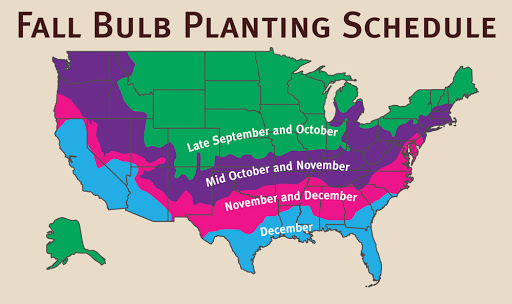
Growing and Maintenance Tips for Fritillaria Imperialis 'Persica'
Planting: Plant bulbs in fall, 5 to 6 inches deep and 5 to 6 inches apart. Handle carefully—Fritillaria bulbs are large, irregular, and prone to drying out, so plant promptly after purchase. Position bulbs on their side to prevent water from collecting in the central depression, which can cause rot.
Location: Full sun to light shade is best. Fritillaria meleagris prefers dappled light, while F. imperialis (Crown Imperial) thrives in sunnier spots.
Soil: Well-drained, humus-rich soil with a slightly acidic to neutral pH (6.0–7.0). Add grit or sand to improve drainage, especially for Crown Imperials.
Watering: Water after planting and during dry spells in spring. Once foliage dies back, reduce watering—bulbs prefer dry summer dormancy.
Temperature: Hardy in USDA zones 4–8. Bulbs require 10–14 weeks of cold to bloom properly.
Fertilization: Apply compost or a balanced fertilizer in early spring as shoots emerge. Avoid overfeeding.
Pruning: Remove spent flower stalks after blooming. Allow foliage to die back naturally to feed the bulb.
Propagation: Divide clumps every few years in summer when dormant. Replant offsets promptly.
Pest & Disease: Generally pest-resistant. Crown Imperials emit a musky scent that deters rodents and deer. Ensure good drainage to prevent rot.
Plant Characteristics
Additional Information
| Height | 40 Inches |
| Spread | 8-12 Inches |
| Spacing | 8-12 Inches |
| Hardiness Zone | 3-8 |
| Color |
Black |


Check back soon for additional details.