

We love the selection of bulbs available from A.D.R. The variety is great, the quality is excellent and the price is fair. However, the best part of working with A.D.R is the customer service from Chris, Walter and all of the team. They go out of their way to make sure ours needs are met.
Leah and Mark
, Wild Hare Farm
« Previous Plant | Next Plant »
Narcissi Butterfly 'Orangery'
Daffodil
Narcissus 'Orangery' is a split-corona daffodil, reaching 14 to 16 inches in height. It produces large, ivory-white petals with a tangerine-orange split corona, creating a layered, butterfly-like effect. The blooms appear in mid-spring and are lightly fragrant, making them excellent for cut arrangements. Thriving in full sun to part shade, 'Orangery' prefers well-drained soil and is deer-resistant, rabbit-resistant, and drought-tolerant.
| Description | Price | |||
|---|---|---|---|---|
| 7 Retail Packages of 8 Bulbs, Size 12/14 cm (DN3) | $34.72 | |||
Get Notified When Back In StockComplete this form and we'll notify you when SKU RET6022080 is restocked. | ||||
| Bin Display Box of 75 Bulbs, Size 12/14 cm (DN3) | $45.00 | |||
Get Notified When Back In StockComplete this form and we'll notify you when SKU BIN6215080 is restocked. | ||||
| Bulk Tray of 400 Bulbs, Size 12/14 cm (DN3) | $212.00 | |||
Get Notified When Back In StockComplete this form and we'll notify you when SKU BUL20513012 is restocked. | ||||
Narcissi Calculator
When should I plant Narcissi Butterfly 'Orangery'?
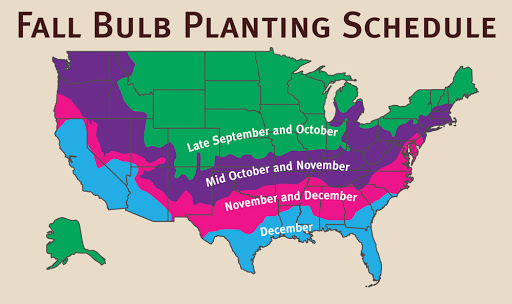
Growing and Maintenance Tips for Narcissi Butterfly 'Orangery'
Planting: Plant bulbs in fall, 6 inches deep and 4 to 6 inches apart, with the pointed end up. These daffodils are best planted in groups for a full, dramatic effect.
Location: Full sun to partial shade. Ideal for borders, naturalized areas, and cutting gardens.
Soil: Well-drained, moderately fertile soil with a slightly acidic to neutral pH (6.0–7.0). Enrich with compost or leaf mold.
Watering: Water after planting and during active spring growth. Once foliage yellows, reduce watering—bulbs prefer dry summer dormancy.
Temperature: Hardy in USDA zones 3–9. Requires a winter chill to bloom reliably.
Fertilization: Apply compost or a low-nitrogen fertilizer in fall and again in early spring.
Pruning: Allow foliage to die back naturally to feed the bulb. Remove spent flower stalks for tidiness.
Propagation: Naturalizes by offsets. Divide clumps every 4 to 5 years in summer when dormant.
Pest & Disease: Deer- and rodent-resistant. Good drainage prevents bulb rot.


Check back soon for additional details.