We love the selection of bulbs available from A.D.R. The variety is great, the quality is excellent and the price is fair. However, the best part of working with A.D.R is the customer service from Chris, Walter and all of the team. They go out of their way to make sure ours needs are met.
Leah and Mark
, Wild Hare Farm
« Previous Plant | Next Plant »
Ranunculus Tecolote 'Pink'
Persian Buttercup
Ranunculus 'Tecolote Pink' is a fall-planted Persian buttercup, producing large, multi-layered blooms in a bright pink hue with silky petals that resemble a peony. These flowers appear in early spring in Zones 8–11, while in Zones 4–7, they should be planted in early spring for summer blooms.
Thriving in full sun and well-drained soil, Tecolote Ranunculus grows on 12–16 inch stems, making it ideal for cut flower production. The blooms measure 4–5 inches across, offering long-lasting beauty in gardens and floral arrangements.
55
Ranunculus Calculator
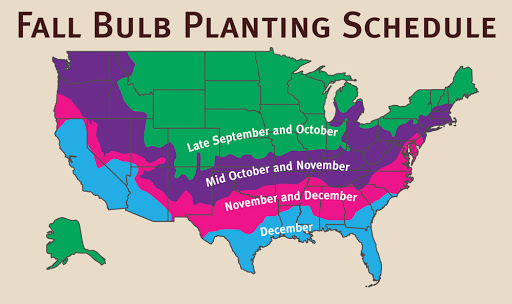
When should I plant Ranunculus Tecolote 'Pink'?
Growing and Maintenance Tips for Ranunculus Tecolote 'Pink'
Planting: In USDA zones 8–10, plant tubers in fall for early spring blooms. In colder zones (3–7), fall planting is only recommended with frost protection—otherwise, store tubers in a cool, dry place and plant in late winter or early spring. Soak tubers in room-temperature water for 1 to 3 hours before planting. Plant claw-side down, 2 to 3 inches deep.
Spacing: Space 4 to 6 inches apart. For dense displays, aim for 50–75 tubers per square meter.
Light: Full sun is essential—at least 6 hours daily. Choose a sheltered spot with good air circulation.
Soil: Fertile, well-drained soil with a pH of 6.0–7.0. Amend with compost or leaf mold to improve structure.
Watering: Water after planting and keep soil lightly moist during active growth. Avoid soggy conditions—ranunculus tubers are prone to rot.
Temperature & Protection: Hardy to about 25°F (–4°C). In zones 8–10, mulch after planting to buffer against cold snaps. In zones 7 and below, use frost cloths or grow in containers that can be moved indoors.
Fertilization: Feed every 2–3 weeks with a high-potash fertilizer once growth begins. Liquid seaweed is a great organic option.
Pruning: Deadhead regularly to encourage more blooms. After flowering, allow foliage to die back naturally.
Pest & Disease: Watch for aphids, slugs, and powdery mildew. Good airflow and hand-picking pests help prevent issues.
Plant Characteristics
Additional Information
| Height | 24 Inches |
| Spread | 6-8 Inches |
| Spacing | 6 Inches |
| Hardiness Zone | 8-11 |
| Color |
Pink |


Check back soon for additional details.