I’ve been purchasing bulbs from A.D.R. for many years. The quality is superior and the service fantastic. Chris and his family have always been prompt and accommodating. If you need it, Chris can find it! I wouldn’t shop anywhere else!
Anna Myatt
, Myatt Landscaping
« Previous Plant | Next Plant »
Tulipa Miniature 'Little Beauty'
Tulip
Little Beauty is a botanical tulip with magenta-pink petals that open to reveal a deep blue heart edged in white. This dwarf variety reaches 4 to 6 inches tall and thrives in full sun with well-drained soil.
Blooming in mid-spring, Little Beauty is a naturalizing tulip, returning year after year in rock gardens, borders, and grassy areas. It was introduced in 1991 and received the Award of Garden Merit from the Royal Horticultural Society in 1997.
Tulipa Calculator
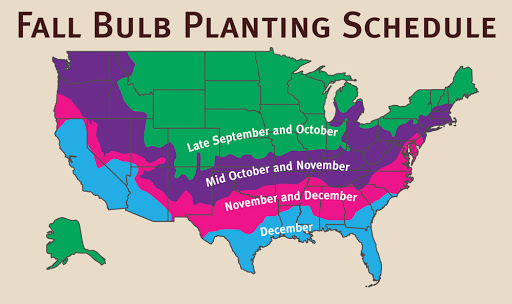
When should I plant Tulipa Miniature 'Little Beauty'?
Growing and Maintenance Tips for Tulipa Miniature 'Little Beauty'
Planting: Plant in fall when soil temperatures drop below 55°F. Set bulbs 4–6 inches deep, pointed end up. These tulips thrive in rock gardens, slopes, and naturalized areas where their petite stature and subtle beauty shine.
Spacing: Space 3–5 inches apart. For a natural effect, scatter and plant in small groupings—mimicking how they appear in the wild.
Light: Full sun is ideal, though many species tolerate light shade. Early blooming habits often align with bare deciduous canopy, offering ample light before trees leaf out.
Soil: Well-drained, neutral to slightly alkaline soil is preferred (pH 6–7.5). Rocky or sandy soils enhance long-term health and return bloom. Avoid soggy areas.
Watering: Water after planting to settle bulbs. In spring, water during extended dry periods but avoid excess moisture—these tulips are adapted to drier climates.
Temperature & Dormancy: Requires 12–16 weeks of cold (below 50°F) to initiate bloom. Many species are exceptionally cold-hardy and drought-tolerant once established.
Fertilization: Apply a low-nitrogen or balanced fertilizer at planting and again as leaves emerge. Avoid overfeeding, which may reduce perennial longevity.
Pests: Squirrels may disturb freshly planted bulbs; use mulch or mesh as needed. Deer will eat buds and foliage—early protection is important in vulnerable areas.
Disease: Rarely affected, but good drainage and sunny exposure help prevent Botrytis or other rot-related issues. Remove any infected material and avoid overhead watering. Rotate locations if issues arise.


Check back soon for additional details.